When summer temperatures soar, keeping your home cool can become a daily challenge. Heatwaves not only make your living space uncomfortable, but they can also drive up energy costs and put extra strain on your HVAC system. The good news is there are several smart and affordable ways to maintain a cooler home while improving energy efficiency.
Whether you are trying to reduce your air conditioning bill or simply make your home more comfortable, these practical tips can help you stay cool during extreme heat.
1. Keep Sunlight Out During Peak Hours
One of the easiest ways to lower indoor temperatures is by blocking direct sunlight. Sunlight pouring through windows can quickly heat up your home, especially in rooms with large windows facing south or west.
Try these simple solutions:
- Close blinds and curtains during the hottest part of the day
- Use blackout curtains or thermal drapes
- Install reflective window film
- Consider exterior shades or awnings
According to the U.S. Department of Energy, proper window coverings can significantly reduce heat gain and lower cooling costs.
2. Use Ceiling Fans Correctly
Ceiling fans help circulate air and create a wind-chill effect that makes rooms feel cooler. During summer, make sure your ceiling fan rotates counterclockwise to push cool air downward.
Fans do not lower the actual temperature, but they can help you feel more comfortable and reduce reliance on air conditioning.
For additional energy-saving fan tips, visit Energy Star.
3. Seal Air Leaks Around Doors and Windows
Cool air can easily escape through gaps and cracks around doors, windows, and vents. Sealing these leaks helps your air conditioner work more efficiently and keeps your home cooler longer.
Ways to improve insulation include:
- Adding weather stripping
- Using caulk around windows
- Installing door sweeps
- Checking attic insulation
Improving your home’s insulation can reduce energy waste and improve indoor comfort year-round.
4. Limit Heat-Producing Appliances
Many everyday appliances generate heat, especially during the afternoon and evening hours. Ovens, dryers, and even incandescent light bulbs can increase indoor temperatures.
To reduce indoor heat:
- Grill outdoors instead of using the oven
- Run dishwashers and laundry machines at night
- Switch to LED light bulbs
- Unplug electronics when not in use
Small changes can make a noticeable difference during a heatwave.
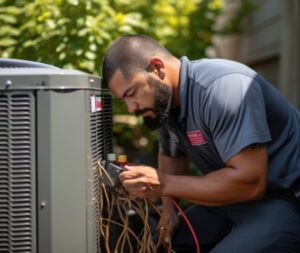
5. Schedule HVAC Maintenance
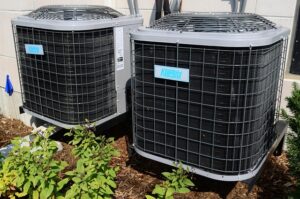
Your air conditioning system works hardest during extreme heat. A poorly maintained HVAC system may struggle to keep up, leading to higher energy bills and possible breakdowns.
Regular maintenance can help by:
- Cleaning or replacing air filters
- Checking refrigerant levels
- Improving airflow
- Increasing system efficiency
The Environmental Protection Agency (EPA) recommends replacing HVAC filters regularly to improve air quality and system performance. Contact Quality Heating and Cooling to take care of the maintenance on your HVAC unit.
6. Use Smart Thermostats
Smart thermostats help regulate temperatures more efficiently by automatically adjusting settings throughout the day. Many homeowners save money by programming temperatures based on occupancy and outdoor conditions.
Benefits of smart thermostats include:
- Lower energy bills
- Better temperature control
- Remote access from your smartphone
- Improved energy efficiency
Popular brands like Google Nest and ecobee offer smart thermostat options designed to reduce cooling costs.
7. Improve Airflow Throughout Your Home
Good airflow helps prevent hot spots and keeps cool air moving evenly throughout your home.
Here are a few easy ways to improve circulation:
- Keep interior doors open
- Make sure vents are not blocked by furniture
- Use portable fans to move cool air
- Open windows during cooler nighttime temperatures
Cross ventilation can naturally cool your home when outdoor temperatures drop in the evening.
8. Consider Energy-Efficient Upgrades
If your home struggles to stay cool every summer, long-term upgrades may be worth considering.
Energy-efficient improvements include:
- Installing energy-efficient windows
- Upgrading insulation
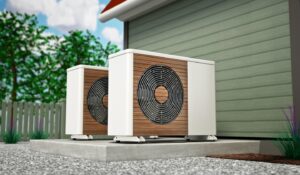
- Replacing an outdated HVAC system
- Adding attic ventilation
The Energy Star Home Upgrade Program provides guidance on energy-saving improvements that can help reduce cooling expenses.
Stay Cool and Save Energy This Summer
Keeping your home cool during a heatwave does not always require expensive renovations. Simple changes like blocking sunlight, improving airflow, sealing leaks, and maintaining your HVAC system can make a major difference in comfort and energy efficiency.
By combining smart cooling strategies with energy-efficient upgrades, you can stay comfortable even during the hottest summer days while keeping utility costs under control.